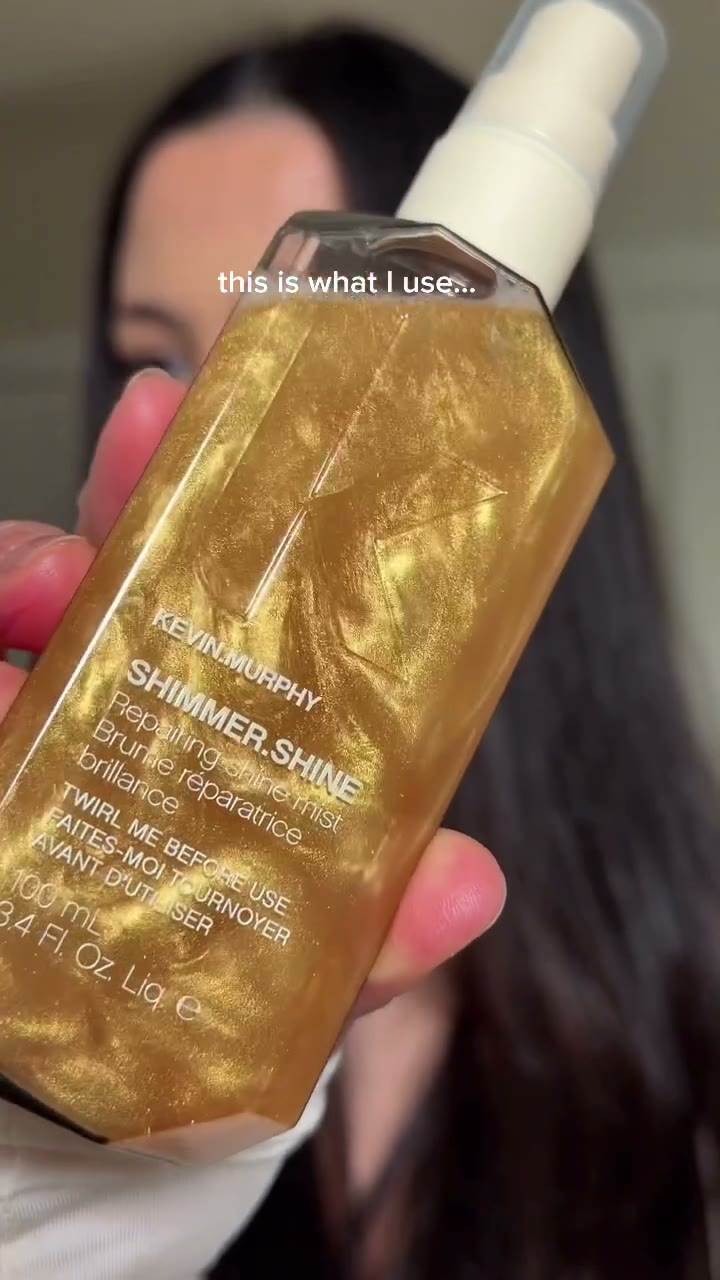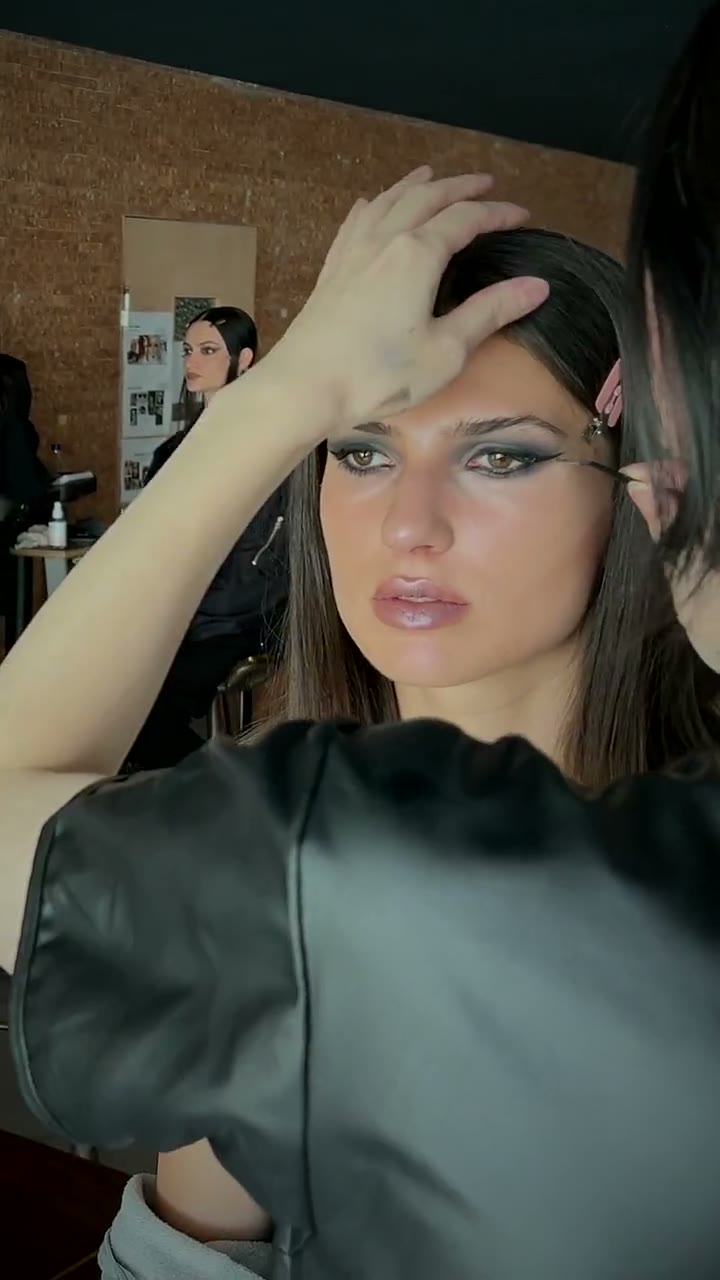
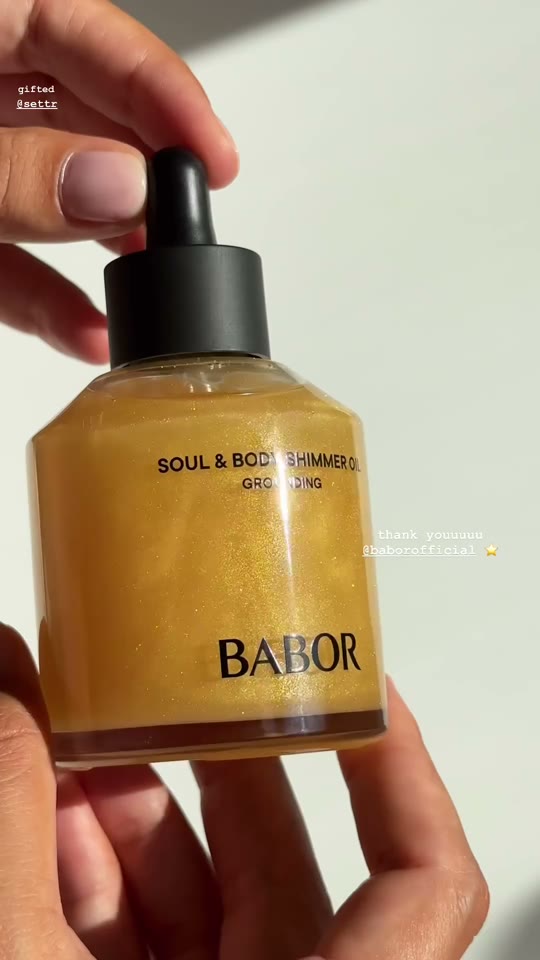
Somewhere in your inbox is a media kit. It has a rate card, a follower count, an audience split, and three screenshots the creator chose because they photographed well. It is a marketing document — accurate the way a CV is accurate. The actual record is public, free, and almost never read properly: the last ninety days of the creator's feed.
Ninety days is long enough to show what a creator does habitually and recent enough to show what they do now. Everything a casting decision needs is in there, if you read for the right things.
What to read for
- Consistency. One beautiful post is a moment; thirty coherent ones are a practice. Brands are bought by the practice.
- Unprompted affinity. What products appear when nobody is paying? A creator who already reaches for your category — or your competitors — is telling you where they'd place you.
- The conversation. Not the count of comments but their content. An audience that asks "where is that from?" is an audience that buys. An audience of emoji is an audience of habit.
- Production instinct. How they light, cut, and pace without a brief predicts exactly what your brief will get back.
The media kit is what the creator says about themselves. The feed is what they do. Book the feed.
Reading at scale
A good casting director does all of this instinctively — for the hundred creators they can hold in their head. The change in our field is that the reading no longer has to stop there. Machines can now watch the video, hear the audio, read the captions and the comments, and score what they find against what a brand has already approved — across hundreds of thousands of profiles, in every market at once.
The judgment is still human; the coverage is not. When the content is the CV, nobody worth booking goes unread — and nobody gets booked on a headline number and three good screenshots again.